Gardening Services in Fulham

Our gardening services in Fulham are built around practical outdoor maintenance, tidy presentation and clear seasonal care for residential and commercial green spaces. We handle routine gardening tasks that keep beds, lawns, hedges and planted areas under control, along with more involved work when a space needs reshaping or a stronger refresh. The aim is straightforward: keep outdoor areas neat, usable and easier to manage through the year.
We provide regular garden maintenance, lawn care, hedge trimming, planting support and garden clearance, with careful attention to the finish and to the way each part of the space works together. If you want a one-off tidy-up or a planned programme of visits, we can shape the work around the condition of the garden, the size of the plot and the tasks that matter most. See the full range of our services if you want to compare the options before requesting a quotation.
A good gardening plan starts with the essentials: what is growing, what needs cutting back, what should be left alone and what would benefit from replacement or reshaping. That approach helps avoid unnecessary work and keeps the result more consistent. Healthy garden care is usually a mix of routine tasks and informed judgement, rather than a single dramatic intervention, so we focus on the actions that make the space look orderly and stay manageable.
Routine Garden Maintenance
Routine maintenance is the most effective way to keep a garden looking cared for without letting jobs build up. It can include deadheading, light weeding, cutting back soft growth, clearing leaves, edging borders and tidying paths or paved sections around planted areas. These tasks are especially useful when the aim is to preserve a finished look rather than change the layout of the garden.
Where appropriate, we can combine maintenance tasks into a single visit so the work follows a logical sequence. For example, beds are easier to assess after debris is removed, and lawns are easier to finish when borders have been cleaned and edged. If you are gathering information for a quote, it helps to note the broad size of the garden and any areas that need extra care, but you do not need to prepare a detailed specification at the outset. Read about garden maintenance to see how this service fits into ongoing care.
When a garden has several competing priorities, the first stage is usually to separate the work into essential maintenance and any optional improvements. That may mean tackling growth that is affecting access, clearing surfaces that are holding debris, and then moving on to the visual finish. This makes the job more orderly and keeps the outcome aligned with the condition of the space.
Lawn Care and Grass Cutting
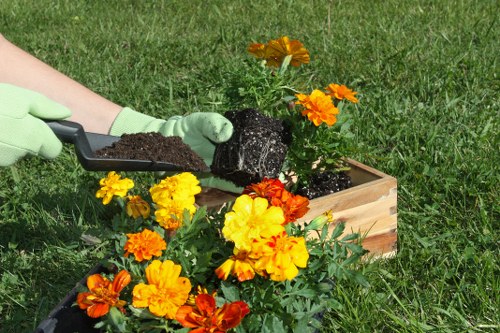
Lawn work is often the centrepiece of a tidy outdoor space, so our grass cutting and lawn care can be booked on its own or alongside broader garden maintenance. Regular mowing keeps growth even, while edging and clearing clippings help the lawn look defined rather than simply shortened. Where the grass is thin, patchy or shaded, the right approach is usually measured and practical rather than aggressive.
Good lawn care depends on more than cutting height. It also involves working with the condition of the surface, avoiding unnecessary stress on the grass and leaving the edges clean so the lawn sits well against borders, paths and fences. See our lawn mowing service for a closer look at this part of the work. We can also discuss whether lawn care should be a standalone visit or part of a wider tidy-up.
For a quotation, it is useful to know whether the lawn is straightforward to access, whether there are multiple sections and whether trimming needs to be paired with clearing around the edges. Small details often affect the finish, especially where lawns run close to shrubs, raised beds or narrow paths. A tidy lawn is not just about speed; it is about making the shape of the garden read clearly.
Hedge Trimming and Shaping
Hedge trimming is one of the most visible gardening tasks because the result can change the whole outline of a property. We trim hedges to improve their shape, reduce overgrowth and keep paths, boundaries and entrances more open. Depending on the species and the condition of the hedge, the work may be a light tidy, a more formal cut or a fuller reduction that restores balance.
Hedges are easiest to manage when they are handled before they become too dense or uneven, but older growth can often still be brought back into a neater line with careful trimming. If the hedge is part of a larger boundary, the cut should look consistent from one section to the next rather than like a series of separate fixes. Read more about hedge trimming if this is the main part of the job you need.
We can often combine hedge work with other garden tasks in the same visit, which keeps the overall finish more coherent. That matters especially where hedges cast shade, shed clippings into borders or interfere with access routes. The right trim can improve the whole garden’s appearance while also making the space easier to move through and maintain afterwards.
Garden Clearance and Overgrowth Removal

Garden clearance is suited to outdoor spaces that have become cluttered, overgrown or difficult to use because the basic structure has been obscured. This may involve removing cuttings, brambles, leaves, unwanted growth, broken garden debris or accumulated waste from borders and corners. The work is often the first stage before maintenance can begin properly, because it restores visibility and access.
Clearance can be especially useful when a garden has been left unused for a period, when seasonal growth has taken hold or when an outdoor area needs to be made manageable before further improvements are planned. The outcome is usually not a finished redesign but a clean, workable starting point. Explore garden clearance if you need this type of reset before moving on to maintenance or landscaping.
Where clearance is needed, it helps to distinguish between what should be removed, what can be pruned back and what should be retained for future growth. That judgement keeps the work purposeful and avoids stripping a space more than necessary. Our focus is on practical results: reducing congestion, improving access and leaving the garden ready for its next stage.
Landscape Gardening for Better Structure
Landscape gardening addresses the shape and organisation of a garden rather than just its day-to-day upkeep. It may involve redesigning planting areas, reshaping edges, improving the relationship between lawn and border, or introducing features that make the space more balanced. This type of work is useful when the garden functions, but not quite as well as it could.
Good landscape gardening considers how the space is used, where movement naturally happens and which areas should be opened up or softened with planting. The result should feel intentional rather than crowded. Read about landscape gardening if you want a more planned approach to changing the layout or character of the garden. We can discuss the parts of the site that are worth keeping and the parts that may benefit from reworking.
Before any design-led work begins, it is sensible to think about maintenance as well as appearance. A layout that looks attractive but is awkward to care for rarely stays attractive for long. Practical structure usually lasts better than visual novelty alone, so the most useful landscape decisions are the ones that suit both the garden and the way it will be looked after.
Planting, Border Care and Seasonal Refreshes
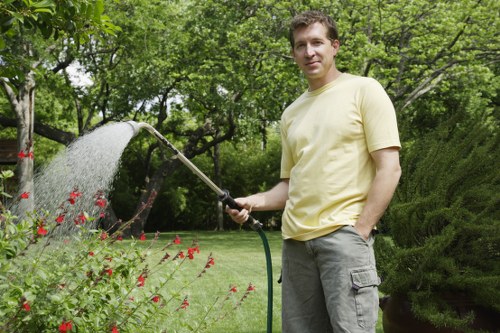
Planting support and border care can help a garden feel fuller, cleaner and better balanced across the seasons. This may involve refreshing tired borders, replacing failed plants, cutting back plants that have spread too far or introducing new planting to strengthen colour, structure or ground cover. The work should always suit the existing garden rather than forcing a change that does not fit.
Seasonal refreshes are often the most efficient way to improve a garden without reworking everything at once. By focusing on the borders, tired corners and key sightlines, it is possible to lift the appearance of the whole space with a relatively targeted set of tasks. If you are requesting a quotation, it can help to mention whether you want simple tidying, replacement planting or a more noticeable change in the border layout.
A good planting plan is usually straightforward and maintainable. We look at colour, scale, spacing and the amount of care the planting will need so that the result remains manageable after the work is done. That keeps the garden attractive for longer and reduces the chance of one part of the border outgrowing everything else.
About Fulham
Fulham is a district in the London Borough of Hammersmith and Fulham, in southwest London, with a long history shaped by its position beside the River Thames. The area includes a mix of older streets, terraces, mansion blocks and newer developments, reflecting successive phases of urban change. Historically, Fulham was associated with the Bishops of London, and the former Fulham Palace remains one of its best-known landmarks. The palace and its gardens sit close to the river and have roots stretching back many centuries, making them an important part of the area’s architectural and historical identity. Fulham’s riverside setting also connects it to nearby walking routes, small parks and open spaces, including Bishop’s Park and the river path. The area is further recognised for major sporting and cultural destinations such as Craven Cottage, home to Fulham Football Club, which adds a strong local landmark at the western end of the district. Much of Fulham’s appeal lies in the contrast between its busy high streets and quieter residential roads, where period housing, garden squares and mature trees create a distinctive urban character. Its transport links, including Underground stations and bus routes, have long supported its growth as a lived-in, well-connected part of London. Together, these features give Fulham a layered identity: historic, residential, riverside and active, with landmarks that reflect both its past and its continuing place in the city.
How We Plan a Gardening Visit
When you request a quotation, the most helpful information is a clear picture of the tasks you want completed and the overall condition of the garden. Photographs can be useful, especially where access is limited, the work involves several different areas or the garden has heavier growth that needs assessing. A short description of what matters most, such as the lawn, hedges or borders, usually gives enough context to prepare a sensible response.
If the space includes a mixture of routine maintenance and more involved work, it is often best to identify which parts are essential and which are optional. That keeps the quote focused and helps the work be planned in a sensible order. Visit our pricing and quotes page if you would like to understand how we approach quotations before making contact. Simple, well-structured information is usually the quickest route to a useful estimate.
Access, timing and the level of tidying required can all affect how a gardening visit is organised, but the main aim remains the same: to make the outdoor area more orderly and easier to maintain. Clear instructions are helpful, but they do not need to be elaborate. The key is to outline the work honestly so the quotation matches the job.
Garden Features, Safety and Ongoing Care
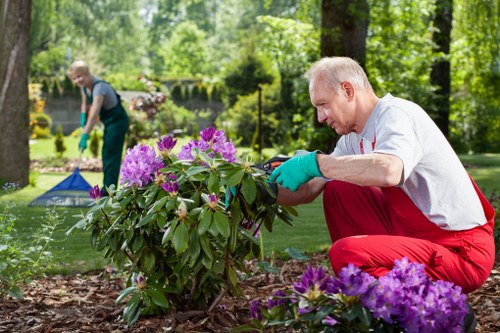
Some gardens benefit from work that goes beyond simple tidying, especially where there are features such as decking, mixed planting, uneven boundaries or mature growth that needs careful handling. In those cases, it makes sense to think about the garden as a whole rather than as a series of separate jobs. A balanced plan can include pruning, clearance, lawn care and feature maintenance so the space feels joined up.
See our decking services if the garden includes a timber or composite feature that needs maintenance alongside the planting and lawns. Keeping the hard landscaping and soft landscaping in step can improve both appearance and usability. Where larger trees or heavy growth are part of the issue, it may also be appropriate to consider controlled reduction or removal in line with the condition of the site.
For more substantial overgrowth or boundary work, read about tree lopping and removal to understand how that service fits into wider garden management. We can then combine the right tasks into a clear scope and finish the job in a way that supports the longer-term upkeep of the garden. Request a quotation today and tell us what your outdoor space needs most.
Choosing the Right Scope for Your Garden
Not every garden needs a full programme of work, and not every job should be treated as a simple one-off tidy. The right scope depends on whether the garden is being maintained regularly, restored after a period of neglect or adjusted as part of a broader improvement plan. That is why we look at the task mix carefully before suggesting how the work should be grouped.
Some customers want a clear reset with clearance, trimming and edging. Others need a lighter pattern of maintenance that keeps the garden under control through the seasons. A smaller group may be looking for structural changes that sit more naturally with landscaping than with routine care. If you want to compare related services, visit our landscaping page to see how broader outdoor changes can be handled alongside ongoing upkeep.
Whatever the size of the garden, useful quotations depend on practical detail rather than guesswork. The more accurately the condition and priorities are described, the easier it is to align the work with the result you want. Tell us what should be left, what should be changed and what needs attention first, and we can work from there with a clear, sensible plan.
Request a Quotation for Gardening Services in Fulham
Whether you need regular maintenance, a one-off clearance or help with hedges, lawns and planting, our gardening services in Fulham are designed to keep the work practical and the outcome tidy. We can discuss the most suitable combination of tasks for your garden and then provide a quotation based on the details you share. Contact us for a quotation when you are ready to get started.
If you are still deciding what to request, it is perfectly fine to begin with a short description of the garden and the parts that matter most. We can then help shape the job into a clear scope without overcomplicating it. From routine upkeep to larger outdoor improvements, the objective is to leave you with a garden that feels more manageable and better presented.
For a straightforward next step, send the key details, note any problem areas and ask for a quotation. We will take it from there and keep the process focused on the work that will make the biggest difference to your outdoor space in Fulham.