Parsons Green gardeners small patio planting guide
If you're trying to make a small patio feel greener, calmer, and actually usable, you're in the right place. This Parsons Green gardeners small patio planting guide is for anyone looking at a compact outdoor space and thinking, "Right then, how do I make this work without crowding it?" The good news is that small patios can look fantastic with the right planting plan. The trick is not stuffing every corner, but choosing plants, pots, and layouts that suit shade, wind, drainage, and how you really live day to day.
In Parsons Green, where many gardens and patios are shaped by townhouses, neighbouring walls, and little pockets of light, planting decisions matter more than you might think. A patio can be a morning coffee spot, a family overflow space, or a quiet reset after a long day. Done well, it feels like an extension of the home. Done badly, it becomes a cluttered patch of pots, algae, and regret. Not ideal.
This guide breaks the process down in plain English: what works, what to avoid, how to layer planting in a small space, and when a professional touch can save time and money. If you also need broader help with keeping a compact outdoor space tidy, a look at garden maintenance and landscape gardening can be useful alongside this planting plan.
Table of Contents
- Why Parsons Green gardeners small patio planting guide Matters
- How Parsons Green gardeners small patio planting guide Works
- Key Benefits and Practical Advantages
- Who This Is For and When It Makes Sense
- Step-by-Step Guidance
- Expert Tips for Better Results
- Common Mistakes to Avoid
- Tools, Resources and Recommendations
- Law, Compliance, Standards, or Best Practice
- Options, Methods, or Comparison Table
- Case Study or Real-World Example
- Practical Checklist
- Conclusion
- Frequently Asked Questions
Why Parsons Green gardeners small patio planting guide Matters
Small patio planting is not just about making things look pretty. In a compact space, every pot, planter, and plant has to earn its place. If the layout is wrong, the patio can feel even smaller than it is. If the planting is well judged, the same area can feel relaxed, layered, and a lot more expensive-looking than it really was. That's the clever bit.
Parsons Green properties often come with outdoor spaces that are modest in size but high in potential. There may be a wall that gets hot in summer, a shaded corner near a boundary, or a wind tunnel created by surrounding buildings. These little details change everything. A plant that thrives in a sunny, open courtyard may sulk on a sheltered north-facing patio. And yes, plants do sulk. Some more dramatically than others.
This guide matters because good planting choices help you avoid the usual small-space frustrations: pots drying out too quickly, soil compaction, a cluttered look, or a garden that feels high-maintenance from the first week. It also helps you think long term. The best patio planting plans are not just about the first impressive weekend. They're about how the space will look in six months, in winter, and after the novelty wears off.
Key takeaway: On a small patio, success comes from restraint, repetition, and the right plant for the right spot. A few excellent choices usually beat a crowded collection every time.
If the space needs a fresh start before planting, a tidy base is worth considering first. In some cases, garden clearance can make the difference between a frustrating project and a clean slate.
How Parsons Green gardeners small patio planting guide Works
The basic idea is simple: match plant size, pot size, light levels, and maintenance level to the realities of a small patio. The process starts with observation. Stand in the space at different times of day if you can. Morning light, afternoon heat, and evening shade all change how a patio feels. A spot that looks bright at 8am may be blazing hot by 2pm.
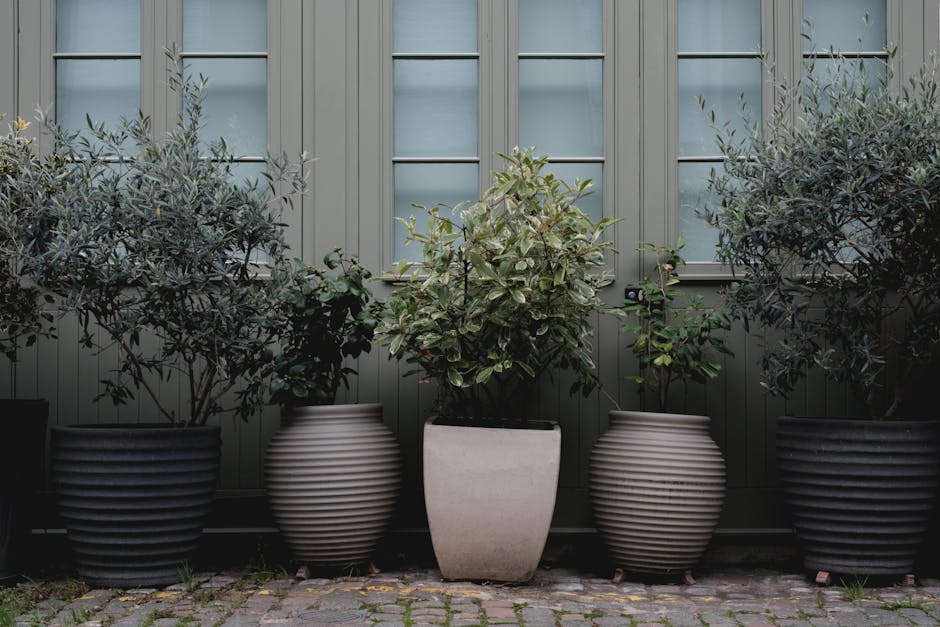
Then comes the layout. In a small patio, you usually want a clear centre or walking line and then planting arranged around the edges, steps, corners, or along a boundary. That gives the garden room to breathe. Tall plants or climbers can provide height without taking much floor space, while lower planters soften hard surfaces and make the whole area feel less boxy.
Planting works best when it has layers:
- Structure: evergreen shrubs, clipped forms, or a small tree in a pot.
- Texture: grasses, ferns, or leafy perennials that add movement.
- Seasonal interest: flowering plants, bulbs, or colourful foliage that change through the year.
- Trailing elements: plants that spill gently over the edge of a pot and soften straight lines.
That layering is what makes a patio feel designed rather than just decorated. It also helps if one plant looks tired for a while. The others keep the scene going. A small patio should never rely on a single "hero" plant. Too risky.
In practical terms, many people start with one or two larger planters, a pair of mid-height containers, and a few smaller pots for filler. That's often more effective than scattering ten tiny pots all over the place. Less fuss, less watering, better proportion.
Key Benefits and Practical Advantages
A well-planted patio gives you more than visual appeal. It changes how the space is used and how often you want to spend time there. That sounds obvious, but it really is true. A bare patio can feel like a pass-through area. A planted one feels like a destination.
Here are the main benefits:
- Better use of limited space: Vertical and container planting lets you add greenery without losing room for seating.
- More privacy: Carefully chosen shrubs, climbers, or screening plants can soften sightlines from neighbouring properties.
- Improved atmosphere: Leaves moving in the breeze, flowers near the door, and pots at different heights create a calmer feel.
- Flexible design: Pots can be moved, swapped, or refreshed as the seasons change.
- Lower commitment than full border planting: Useful if your patio is paved or rented, or if you want to test ideas before making bigger changes.
There's also a practical maintenance advantage. Grouping plants with similar watering needs saves time. So does choosing containers with proper drainage. Nobody enjoys the sound of waterlogging, and plants certainly don't.
For homeowners balancing planting with routine upkeep, a simple maintenance schedule often pays off. If you'd rather hand over the regular care side, garden maintenance support can keep the patio looking sharp without turning it into a weekend job.
Who This Is For and When It Makes Sense
This guide is for anyone with a small paved garden, courtyard, balcony-style patio, or compact rear space in Parsons Green who wants the area to feel more useful and attractive. It's especially relevant if you're dealing with a patio that gets only partial sun, if drainage has been tricky in the past, or if the space has looked too stark and hard-edged.
It also makes sense if you are:
- planning a new planting scheme from scratch
- refreshing tired pots and containers
- trying to add colour without clutter
- looking for low-maintenance planting ideas
- hoping to screen overlooked corners or boundary walls
- balancing family use, seating, and greenery in one compact space
In our experience, many people wait too long to ask for help. They buy a few plants, place them where there is a gap, and only later realise the proportions are off. That's normal. Gardens have a way of teaching by trial and error, which is charming the first time and mildly annoying the fourth.
If the patio has structural elements like decking, steps, or built-in seating, those details affect planting choices too. A space with timber features may benefit from softer, looser planting around the edges. If you're considering hard landscaping changes alongside planting, have a look at decking services and landscaping for the kind of groundwork that supports a strong planting scheme.
Step-by-Step Guidance
A small patio planting plan is easier when you treat it as a sequence instead of a shopping trip. Here's a sensible way to approach it.
1. Measure the usable space
Before you buy anything, measure the area you can actually use. Include door swings, chair movement, and paths. On a tight patio, even 20 cm matters. Mark out where pots can sit without blocking access. This stops the common mistake of filling every available corner and then discovering you can't open the door properly.
2. Work out the light and shelter
Identify which parts get full sun, part shade, or deep shade. Also note wind exposure. Parsons Green patios can be tucked between walls and fences, but they can still get drafty. A sheltered spot might suit more delicate planting, while a hot wall might need drought-tolerant choices.
3. Decide your style and maintenance level
Do you want crisp and architectural, soft and naturalistic, or a colourful cottage-style look? Be honest about maintenance, too. If you want a patio that looks good with minimal attention, choose evergreen structure, drought-tolerant plants, and self-watering or large containers. If you enjoy tinkering, you can use more seasonal planting and frequent swaps.
4. Choose the container structure first
Start with the big pieces. One larger pot can anchor a corner. A pair of matching pots can frame a seating area. A long trough can create a neat boundary. It's easier to build around these anchor points than to begin with small decorative pots, which often end up feeling messy.
5. Pick plants for each microclimate
Match each plant to the exact conditions it will face. For example, a sunny, dry corner needs different plants from a shady spot near the back door. Think in terms of function as well as appearance:
- Screening: bamboo in suitable pots, tall grasses, or upright shrubs.
- Softening edges: trailing plants and mounding perennials.
- Colour: flowering annuals or long-flowering perennials.
- Year-round shape: evergreen shrubs, clipped box alternatives, or structural grasses.
6. Use good compost and drainage
Container planting depends on what's underneath, not just what you see. Use a good-quality compost suited to containers, make sure pots have drainage holes, and avoid letting containers sit in standing water. If a planter is large, consider a lighter fill to reduce weight where needed, but do not compromise drainage. That's the bit that saves the plants from slow decline.
7. Arrange, then step back
Once everything is in place, step back and look at the overall balance. Are the tallest elements grouped too closely? Are the colours fighting each other? Is the patio still easy to walk across? Adjust before you settle in. Sometimes moving one pot 30 cm makes the whole layout click into place. A tiny shift, big difference.
8. Set a maintenance rhythm
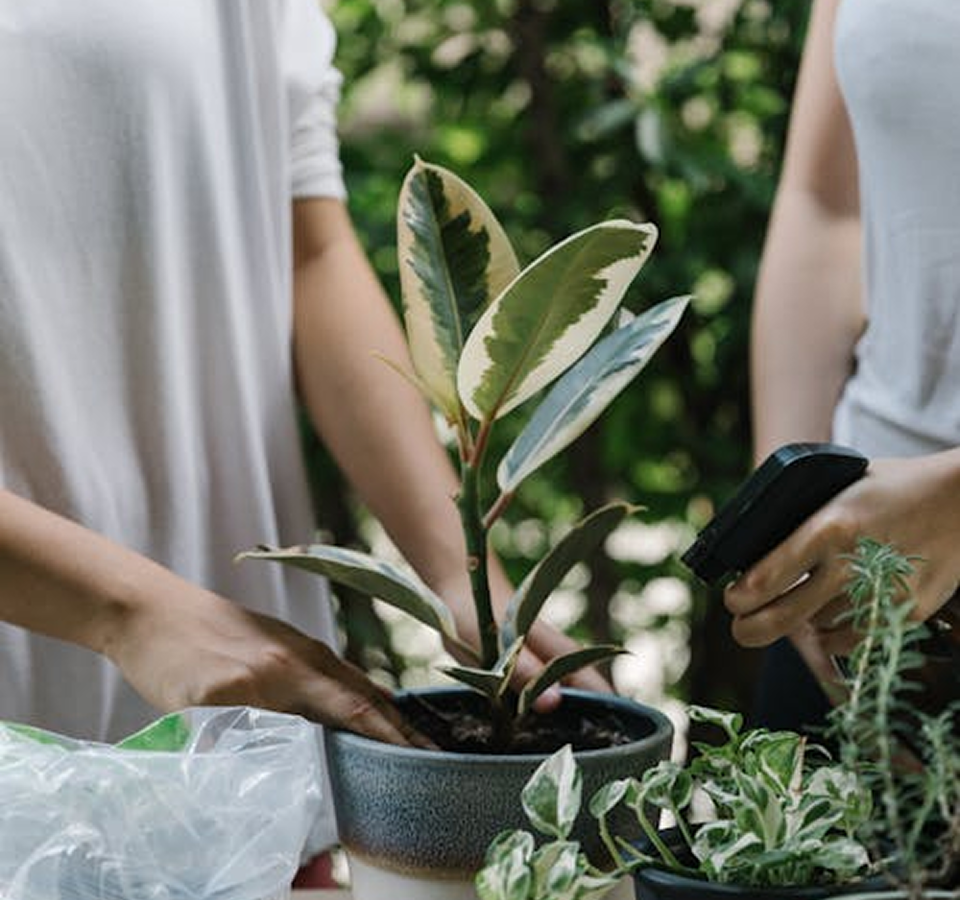
Small patio planting does best with a simple routine. Water deeply when needed, deadhead flowering plants, trim straggly growth, and rotate pots so each side gets light. A five-minute check every few days often prevents bigger problems later on.
Expert Tips for Better Results
A few well-chosen habits can make a small patio planting scheme look more polished straight away. These are the details people often miss.
- Repeat plant shapes: Repetition creates calm. One plant repeated in three pots often looks better than six different plants in six different pots.
- Use odd numbers with care: Three or five containers can feel more natural than pairs everywhere, but symmetry works well in formal spaces. Use what suits the patio's architecture.
- Think vertically: A wall-mounted planter, trellis, or climber gives height without using floor space.
- Keep a little bare space: Not every square metre needs planting. Visual breathing room is important.
- Choose containers that match the setting: Oversized rustic pots can overwhelm a refined patio, while tiny pots disappear too easily.
One practical trick: group thirsty plants together and drought-tolerant plants together. Then watering becomes less of a guessing game. Very useful on warm August days when everything feels dry by lunchtime.
Another useful point is winter planning. People often design for June and forget January. You want evergreen structure, attractive bark or stems, and containers that still look composed when the flowers are gone. If the planting looks good on a grey morning in February, you've probably got it right.
For spaces with trees casting shade or blocking light, the planting plan may need shaping around that canopy. In those cases, tree lopping and removal may sometimes be part of the wider discussion, though any work like that should always be assessed carefully and appropriately.
Common Mistakes to Avoid
Small patios forgive very little when the planting is off. The good news is that most problems are predictable.
Overfilling the space
This is the classic mistake. A patio can start with a clean, simple look and end up feeling like a plant shop had a minor collapse. Too many pots make movement awkward and create visual noise. Less can genuinely be more here.
Ignoring drainage
Plants in containers need drainage. Without it, roots can rot, compost gets sour, and the whole arrangement loses vigour. It's not glamorous advice, but it matters more than the prettiest flower choice.
Choosing only for instant impact
Bright flowers are lovely, but a patio built only around seasonal colour can look flat at other times of year. Balance quick wins with structure that lasts.
Using the wrong scale
Very small pots often look lost on a patio. Likewise, one giant container in a tiny space can dominate everything. Scale should feel deliberate, not accidental.
Forgetting maintenance reality
High-maintenance planting in a small space can become frustrating fast. If you do not have time to water daily in summer, choose accordingly. Truth be told, the best planting scheme is the one you can actually keep alive.
Putting all the interest in one corner
Spread the visual interest around the patio so it feels balanced from different angles. A patio should look good from the house, from the seat, and from the door. Ideally all three, not just one heroic view.
Tools, Resources and Recommendations
You do not need a full shed of equipment to get started, but a few practical tools make the job easier.
- Measuring tape: for planning the layout properly.
- Gloves: especially useful when moving pots or handling rough compost bags.
- Watering can or hose attachment: whichever suits the access to your patio.
- Secateurs: for deadheading and tidying.
- Hand trowel: for planting and repotting.
- Pot feet or risers: helpful for drainage on hard surfaces.
For practical support beyond planting, many people find it helpful to understand the broader garden service picture too. A quick look at services overview can help you see how planting fits with other outdoor work, while pricing and quotes gives a sense of how projects are usually approached. If you care about the environmental side, recycling and sustainability is worth reading as well.
Sometimes a small patio also benefits from a cleaner base before new planting goes in. If old containers, waste, or broken materials are getting in the way, garden clearance may be the sensible first move. And if you're weighing up whether to tackle it yourself or bring in help, the company's about us page can give useful context about how a professional team works.
Law, Compliance, Standards, or Best Practice
For most small patio planting projects, the main concerns are best practice, safety, and neighbourly common sense rather than heavy regulation. Still, there are a few things worth keeping in mind in the UK context.
If you are making changes near shared boundaries, walls, fences, or access routes, check ownership and avoid assumptions. If a planter is heavy, unstable, or close to a walkway, position it carefully. On a compact patio, trip hazards are more than a nuisance; they become a real issue very quickly.
If the work involves machinery, tree work, moving large materials, or substantial clearance, it is wise to use a provider that takes safety seriously. That is where documents like health and safety policy and insurance and safety pages matter, because they show how a business thinks about risk and responsibility. If you are arranging a service, it is also sensible to understand payment terms and expectations in advance through payment and security and terms and conditions.
For anyone worried about privacy when making an enquiry, the presence of a clear privacy policy and cookie policy is reassuring. It is one of those boring-but-important signs that a business is thinking properly about user trust.
And if you need to raise a concern about a job or service experience, having a visible complaints procedure is part of the same trust picture. Not exciting, admittedly, but useful when things need sorting out.
Options, Methods, or Comparison Table
There is no single best way to plant a small patio. The right method depends on the look you want, how much maintenance you can handle, and whether you need flexibility. Here's a quick comparison to help narrow it down.
| Method | Best for | Pros | Trade-offs |
|---|---|---|---|
| Container-only planting | Renters, flexible layouts, hard surfaces | Easy to move, no digging, very adaptable | Needs regular watering and feeding |
| Mixed pots and climbers | Small patios needing height and softness | Strong visual impact, saves floor space | Requires support and some pruning |
| Permanent built-in planters | Homeowners wanting a fixed design | Neat, tidy, polished look | Less flexible, more upfront planning |
| Low-maintenance evergreen scheme | Busy households or second homes | Reliable year-round structure | Can feel restrained unless layered well |
| Seasonal colour-focused scheme | People who enjoy change | Fresh and lively through the year | Needs more attention and replacement planting |
For many Parsons Green patios, a hybrid approach works best: one or two permanent anchor pots, some movable containers, and seasonal accents that can be changed without redesigning everything. That balance tends to age better too.
Case Study or Real-World Example
Here's a realistic example. Imagine a narrow patio off a kitchen in Parsons Green with pale paving, a brick boundary wall, and enough space for a small table and two chairs. The owners want it to feel greener, but they do not want to sacrifice seating space. They also do not want a full-time gardening job, because, let's face it, most people don't.
The solution starts with two larger pots near the wall, each planted with an evergreen structure plant and a softer companion beneath. A slim trough runs along one boundary with a mix of grasses and seasonal colour. A climber on a simple support adds vertical interest without taking up floor area. Then a couple of lighter pots are placed near the seating area for fragrance and seasonal changes.
The result is not crowded. There is still room to move chairs. The wall looks less harsh. The patio feels like a place to sit, not just a paved afterthought. Most importantly, the scheme is easy to maintain because the planting is grouped by watering need and the design is not trying to do too much. That is often the secret, really.
If this kind of refresh is what you need but you'd rather not piece it together alone, the next step is usually a tailored chat about layout, plant choice, and ongoing care. Small spaces respond well to expert eyes.
Practical Checklist
Use this checklist before you buy plants or start rearranging pots.
- Measure the patio and keep a clear walking route.
- Note sun, shade, shelter, and windy spots.
- Decide how much maintenance you can realistically manage.
- Choose one or two anchor containers first.
- Mix structure, texture, and seasonal interest.
- Make sure every container has drainage.
- Group plants by watering needs.
- Leave some open space for chairs and movement.
- Think about how the patio will look in winter as well as summer.
- Use supports for climbers if vertical planting is part of the plan.
- Check whether any clearance, repair, or larger garden work should come first.
- Review service terms, payment details, and safety information if hiring help.
That list sounds simple, but it saves a lot of rework. Honestly, a calm five-minute check often prevents a whole Saturday of moving pots around and muttering to yourself.
Conclusion
A small patio in Parsons Green can become one of the best parts of a home if the planting is planned with care. The key is to respect the scale of the space, choose plants that suit the light and shelter you actually have, and build a layout that leaves room to live, not just to look at.
Start with structure. Add softness and seasonality. Keep maintenance realistic. And do not be afraid of leaving some space empty; sometimes that is what makes the planting feel elegant rather than overdone. A small patio can be inviting, restful, and surprisingly generous when every choice has a reason.
If you're weighing up a tidy refresh, a full redesign, or just need help getting the space into shape, the best next step is usually a careful site plan and an honest conversation about what you want from the garden. Little patios have big personalities, and when they're done well, they really do lift the whole house.
Get a free quote today and see how much you can save.
Frequently Asked Questions
What is the best planting style for a small patio in Parsons Green?
The best style is usually a layered container scheme with one or two larger anchor pots, some medium containers, and a few smaller accents. This creates depth without taking away floor space.
Which plants are easiest to maintain on a small patio?
Low-maintenance choices often include evergreens, hardy grasses, and drought-tolerant plants suited to your patio's light levels. The exact plant list depends on whether the space is sunny, shady, or windy.
How many pots should a small patio have?
There is no fixed number, but fewer, better-placed pots usually work better than lots of tiny ones. Many small patios look best with three to seven well-chosen containers rather than a crowded display.
Do small patios need climbers?
Not always, but climbers can be excellent if you want height without losing space. They are especially useful on walls, trellises, or fences where floor area is limited.
How do I stop patio plants drying out too fast?
Use larger containers where possible, good-quality compost, mulch on the surface, and group plants with similar watering needs. Hot, south-facing patios may need more frequent watering in summer.
Can I plant a small patio without making it look cluttered?
Yes. The trick is to repeat shapes, use a restrained colour palette, and leave some clear paving visible. Visual breathing space matters just as much as the plants themselves.
What should I do before planting if the patio is messy or full of old materials?
Clear the space properly first. If there is waste, broken pots, or overgrown material in the way, a clean start makes planning much easier. In some cases, garden clearance is the sensible first step.
Is it better to use built-in planters or movable pots?
Movable pots are more flexible and easier to change, while built-in planters create a more fixed, polished look. For many small patios, a mix of both works well.
How often should patio plants be fed or watered?
It depends on the plant and the season. Containers generally need more attention than ground planting, especially in warm weather. In practice, checking them regularly is more useful than following a rigid schedule.
Can a professional gardener help with small patio planting only?
Yes, and that is often a sensible approach if you want the layout, planting mix, and maintenance plan to be right from the start. You do not always need a complete redesign to make a big difference.
What if my patio gets very little sun?
Shade-tolerant plants can still create a lovely result. The important thing is to choose species that like those conditions rather than forcing sun-loving plants into a corner where they will struggle.
How do I keep a planted patio looking good year-round?
Build in evergreen structure, add seasonal change through smaller plants or bulbs, and avoid relying entirely on summer flowers. A good patio scheme should still look composed on a cold, grey day.